Here are several Of The Problems of 5G


The dangers associated with 5G technology are the focus of numerous conspiracies, and hoaxes, but scientific studies have shown that 5G radiation may have adverse health effects. According to reports from recent times, exposure to excessive radiation from 5G can damage DNA and ecosystems. The dangers of 5G technology have been the subject of many debates and we've come up with a list of things to think about before making the switch to this wireless technology.
Scientific studies have suggested that there are negative consequences of 5G
There have been a variety of studies published over the past decade that have raised concern over the impact of 5G on health. These studies have focused on dangers to the health of exposure to radiofrequency, which is a potential risk to health for humans and animals. These studies have revealed the need to further investigate the potential effects of 5G before a nationwide rollout takes place.
One of these studies looked at the effects of 5G on respiratory health within the U.S. The study revealed that exposure to 5G caused increased respiratory disease rates among patients from a variety of groups. The study also revealed that 5G was linked to higher risk of death from a range of diseases. But, the study was limited to just a tiny portion of the population.
Hoax theories about threats to 5G are now into the mainstream
The conspiracy theories regarding risks of the 5G technology been widely circulated online. The first reports of an association between the technology and the spread of the coronavirus first appeared online in late January, however, the virus wasn't yet an outbreak. In the wake of fears of an outbreak spread the internet, anti-5G groups emerged on social media, sharing different claims regarding risks associated with 5G.
Since the initial reports, the hysterical assertions have become mainstream, with some spreading far more rapidly than others. A fake news story was published in the pages of a Belgian newspaper, in which a doctor was quoted, and the article spread quickly across English-language Facebook pages. The article was removed off the web shortly after it was published, others have since shared the article on social media platforms.
Exposure to excessive 5G radiation can cause DNA damage
RF (radiofrequency) radiation from 5G networks are prevalent in many parts of our society, yet its health effects are still subject to debate. There's a lot of controversy surrounding the use of this technology as well as the argument has gotten more heated recently in Switzerland. A group composed of 390 scientists and doctors have called for an end to the development of 5G networks. However they have not been able to convince the European Union has so far refused to recognize research-based evidence. Other influential groups, including experts from the Swiss government's expert committee, have completely ignored concerns about the health effects of 5G technology.
Scientists have argued that excessive exposure to 5G radiation may harm DNA. However, the evidence that can prove this is shaky and not reliable. It's also been connected to an increase in the strength of immune systems, which makes it more vulnerable to infections and diseases such as COVID-19.
Damage to ecosystems caused by 5G radiation
While cell phone technology continues to advance environmentalists are concerned about the negative impact of 5G technology. The latest technology makes use of millimeter waves to provide users with better coverage. Since these waves are able to penetrate the surface of the skin and the surface layer of cornea, they could have an effect on the health of humans. In addition to the potential health risks, exposure can have psychological effects.
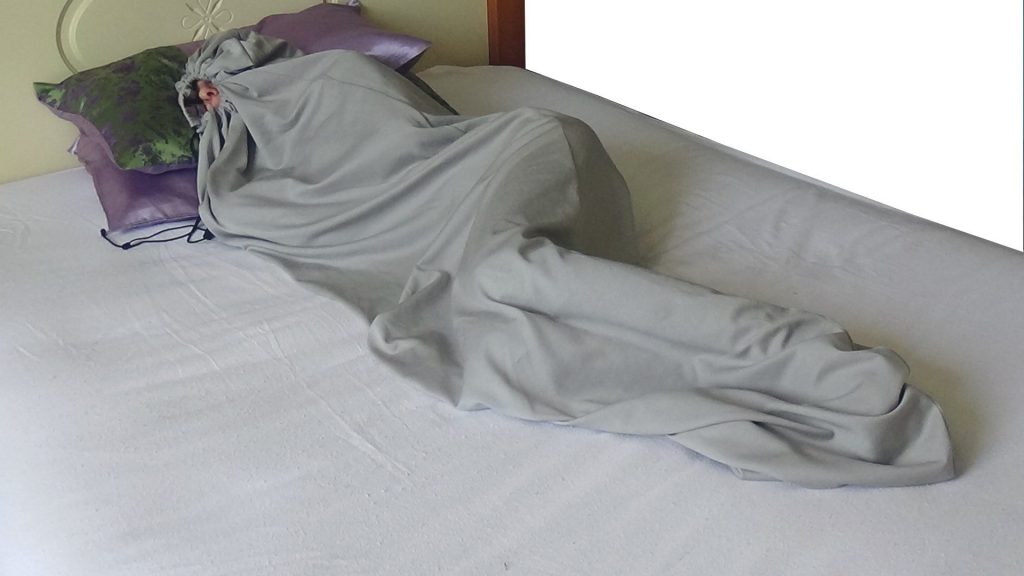
The high-frequency radiation from the 5G network could be harmful to animals, plants and humans. It can influence human nervous system and could alter body temperatures of animals that are small. The new technology could also affect the ecosystems of amphibians, birds, as well as insects. emf blocking are likely to be adversely affected by radiation, particularly when exposed to high levels for long periods of time.